A tour of the rooms of the Museu del Renaixement, the works on display and key themes
Walk through the museum rooms
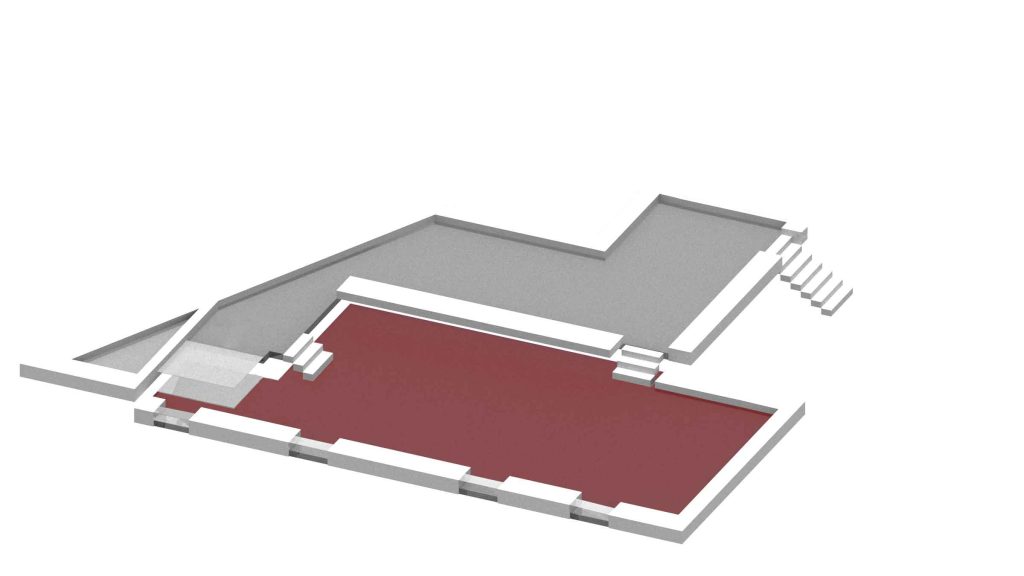
The story of the museum revolves around three key themes on each of the three floors: the history of the Requesens family in Molins de Rei, the principal characteristics of Renaissance art, and everyday life in the 16th century.
Two things that were very important from both the functional and the decorative point of view in Renaissance houses and palaces were tapestries and furniture. The Museu del Renaixement has two outstanding and unique examples on display which provide an insight into everyday life at that time.
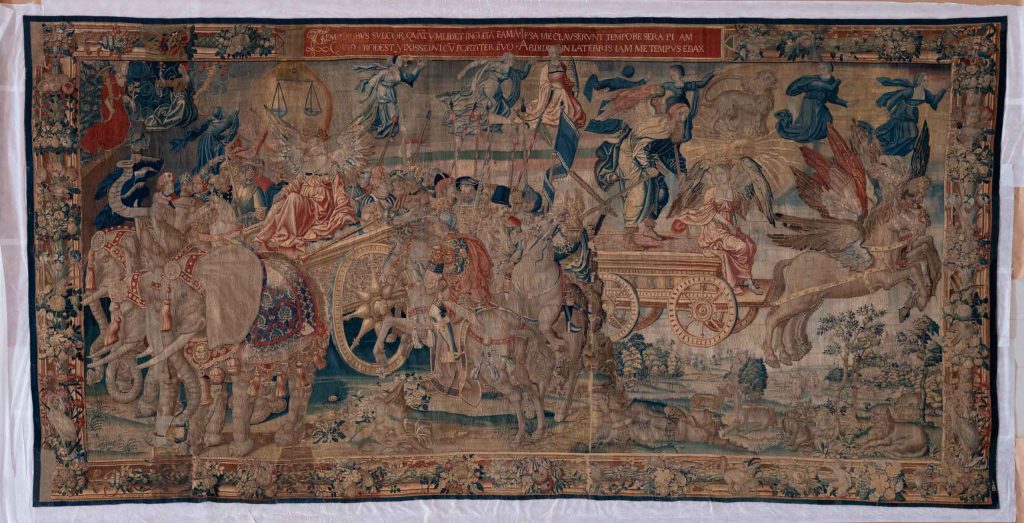
This tapestry, of truly exceptional size, was acquired along with three other pieces by the Diputació del General de Catalunya in the mid-16th century, probably to decorate a hall of the Palau de la Generalitat in Barcelona. It illustrates the famous poem by Francesco Petrarca, The Triumphs, written in the mid-14th century and very popular in European courts during the Renaissance. Specifically, this tapestry depicts the fourth of the six poems in the cycle: the triumph of Time over Fame, with iconography clearly influenced by the humanist spirit.
.
Pere Nunyes and Enrique Fernández circle (Catalonia)
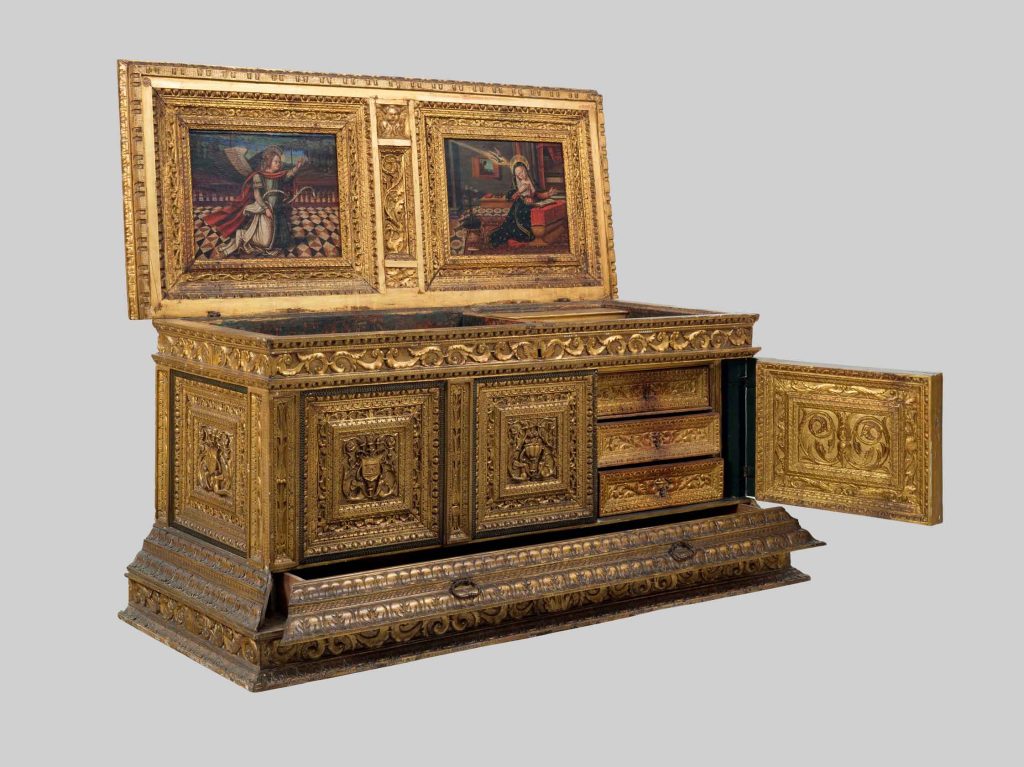
Chest of drawers, 1525-1550, wood Commodate from the DHub Design Museum MADB 64.158
This is a type of furniture typical of Catalonia, widely used from the late 15th century to the late 18th century. In some cases, it could serve as a bridal chest, to store the dowry and personal belongings, which is why it is also known by that name. As is common, in addition to the drawers behind the door and other compartments, this chest has a flat lid with painted decoration on the inside, depicting an Annunciation, clearly alluding to the wish for prosperity in marriage.
Entrades recents
Comentaris recents
No s'han trobat comentaris.
Press Enter / Return to begin your search.
Have an Account?
To keep connected with us please login with your personal info.
We use cookies to improve your browsing experience, analyze web traffic, and personalize the content displayed. You can accept them all or configure them.
Functional
Always active
The storage or technical access is strictly necessary for the legitimate purpose of allowing the use of a certain service explicitly requested by the subscriber or user, or for the sole purpose of carrying out the transmission of a communication through an electronic communications network.
Preferences
Technical storage or access is necessary for the legitimate purpose of storing preferences that are not requested by the subscriber or user.
Statistics
Technical storage or access that is used exclusively for statistical purposes.Technical storage or access that is used exclusively for anonymous statistical purposes. Without a subpoena, voluntary compliance by your Internet service provider, or additional records from a third party, information stored or retrieved solely for this purpose cannot typically be used to identify you.
Màrqueting
L'emmagatzematge tècnic o l'accés són necessaris per crear perfils d'usuari per enviar publicitat o per fer un seguiment de l'usuari en un lloc web o en diversos llocs web amb finalitats de màrqueting similars.