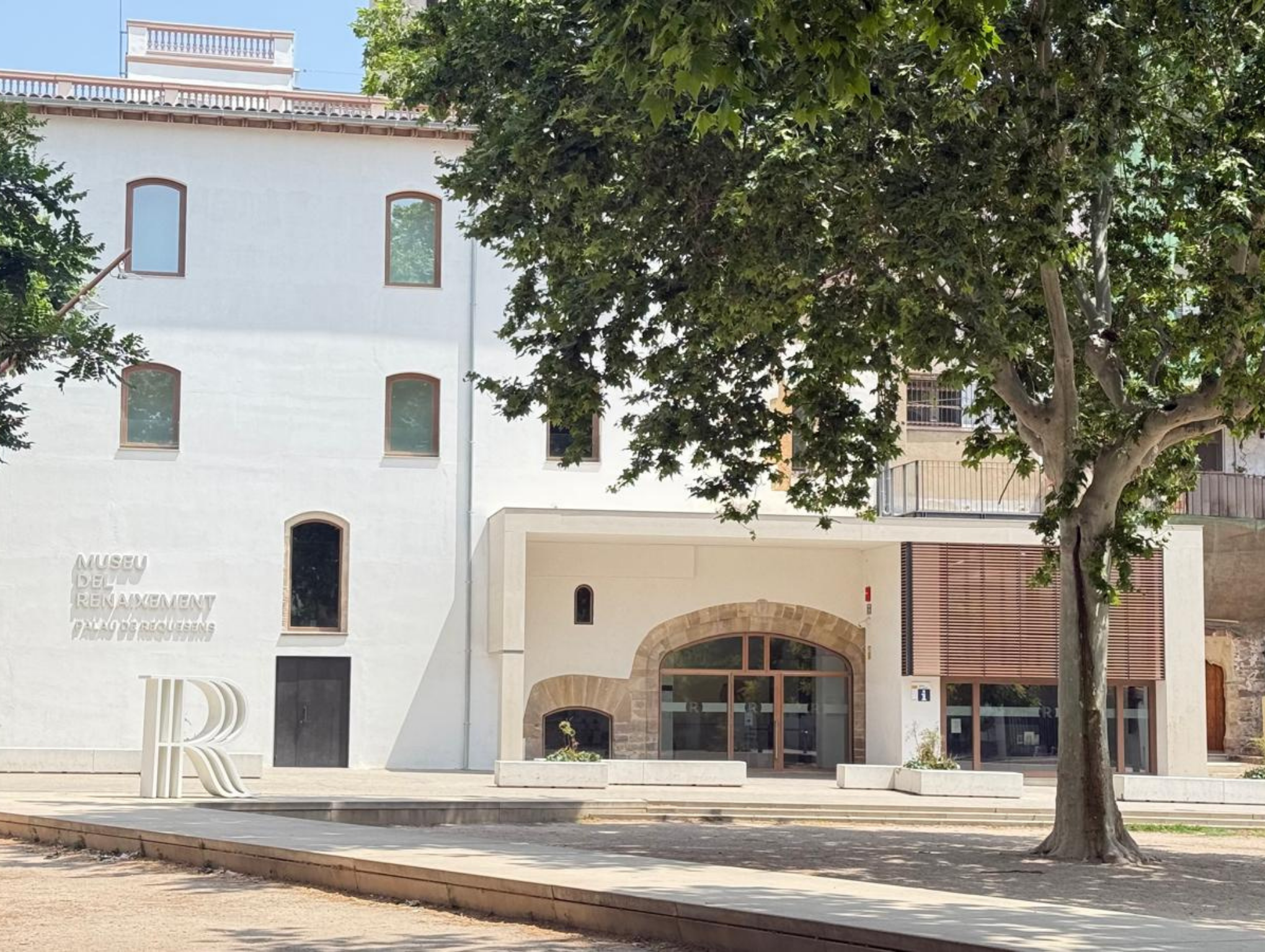
A museum that tells the story of the art and history of the Renaissance.
The importance of the location
The architectural remains of the original palace that have survived are of great beauty, and are a reminder of the monumentality of this building which was the home of the Requesens family in Molins de Rei.
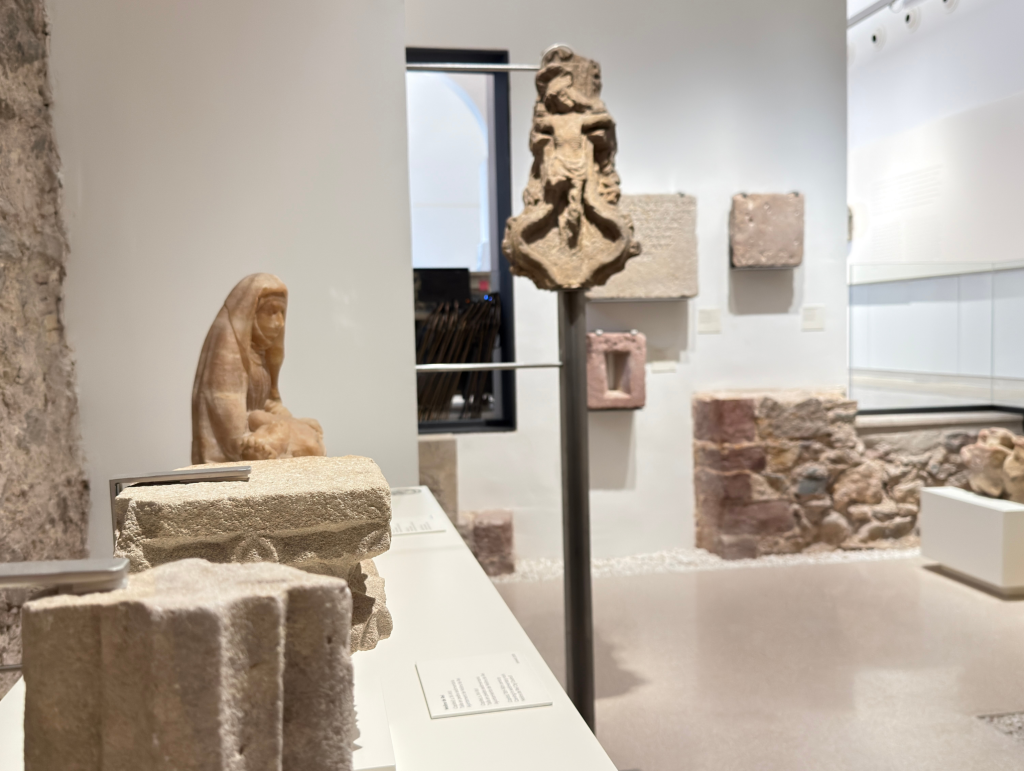
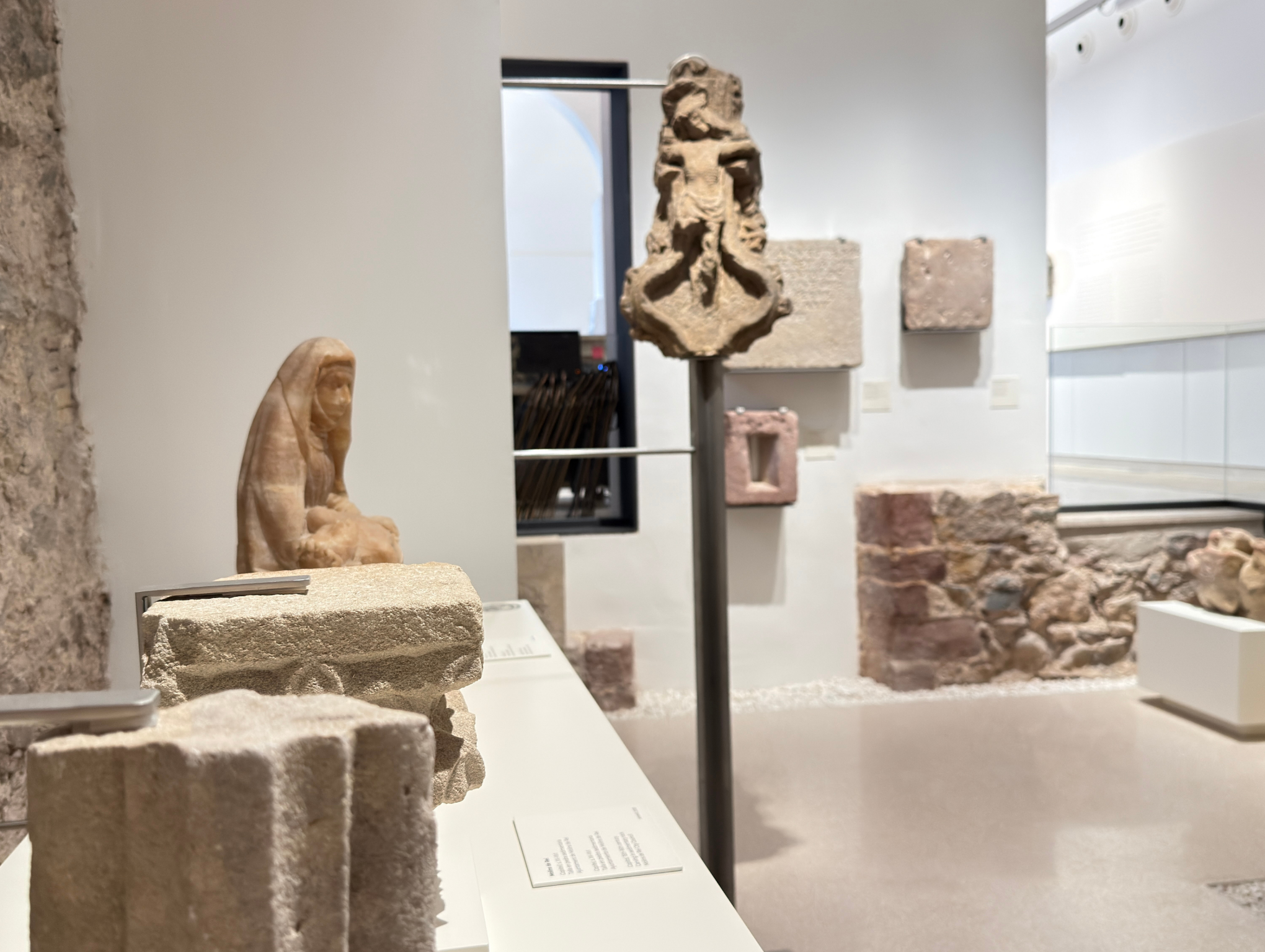
Archaeological Room, displaying original pieces from the Requesens Palace and the town of Molins de Rei.
Molins de Rei Tourist Office.
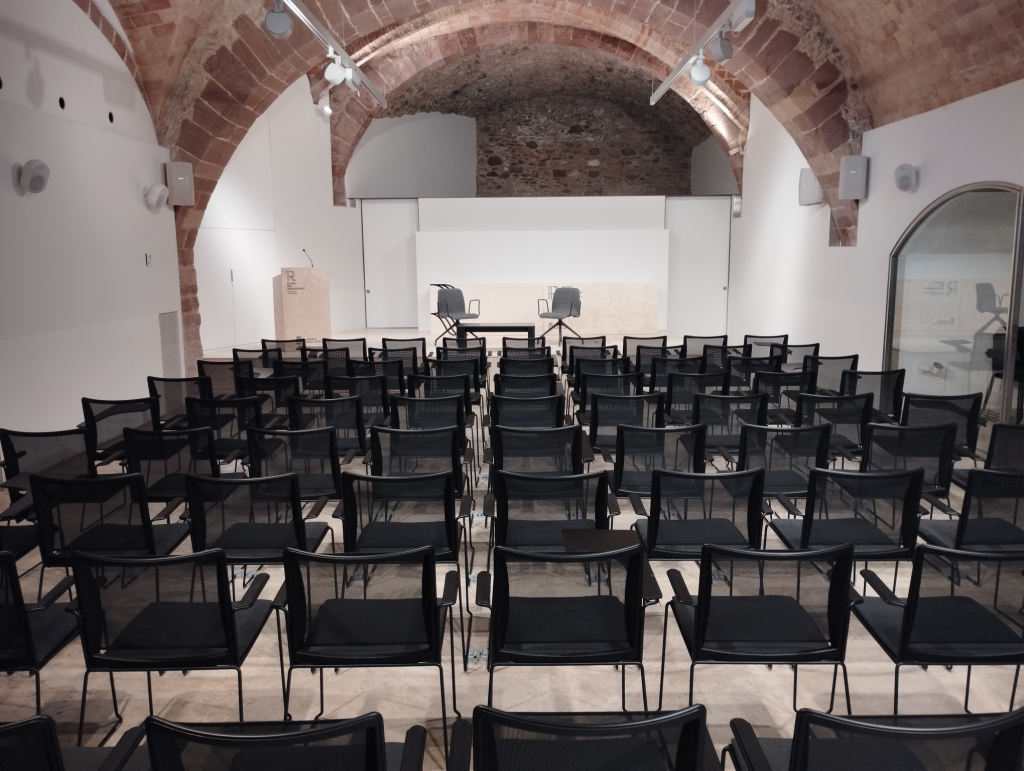
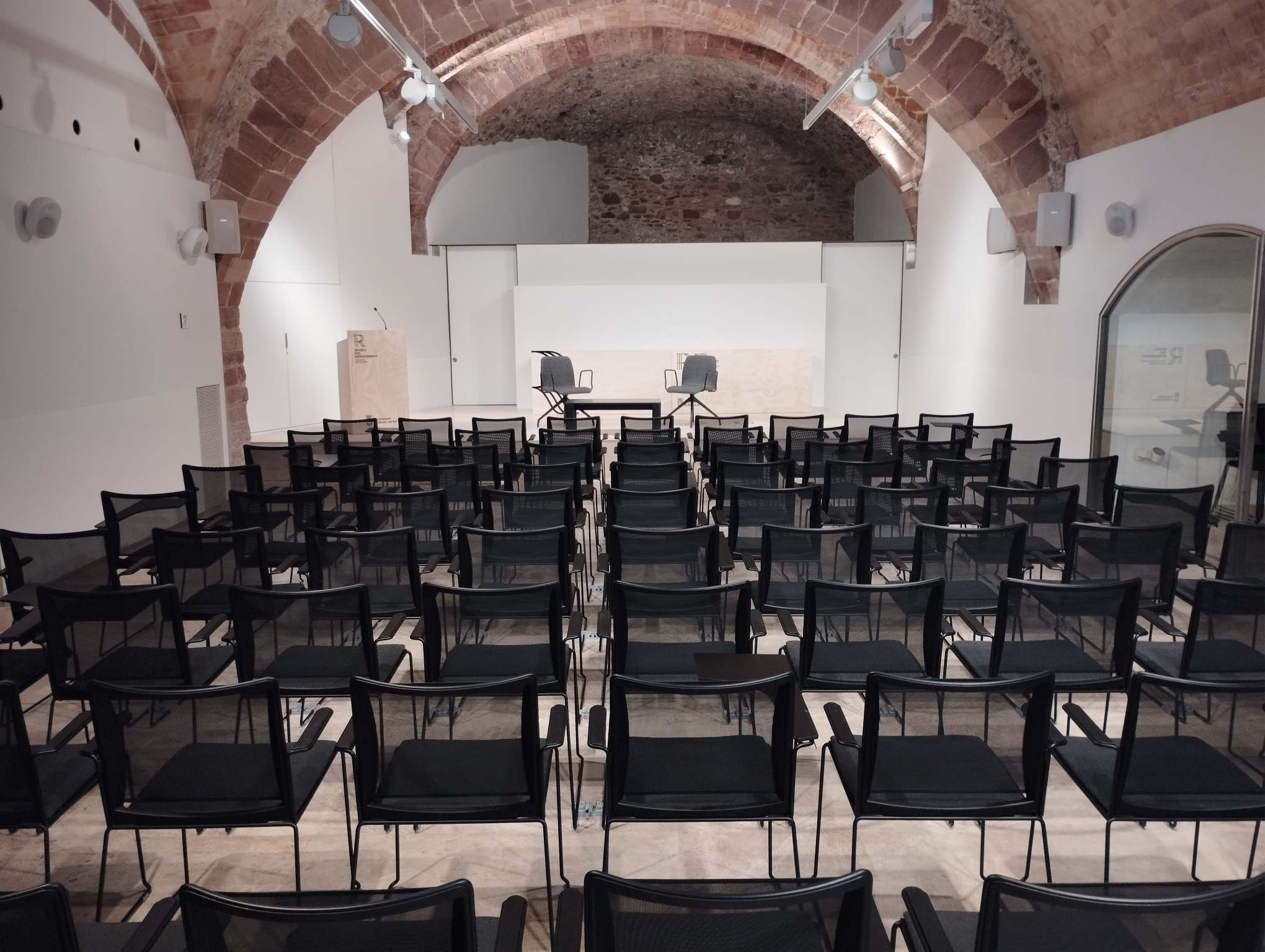
La Gòtica Auditorium.
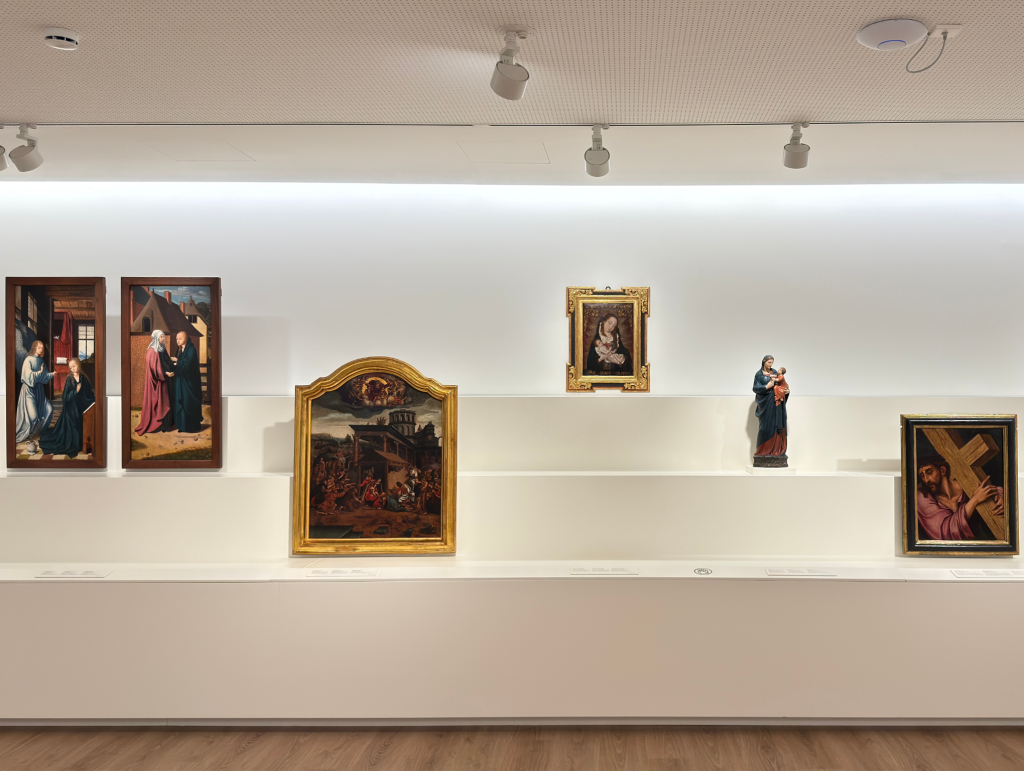
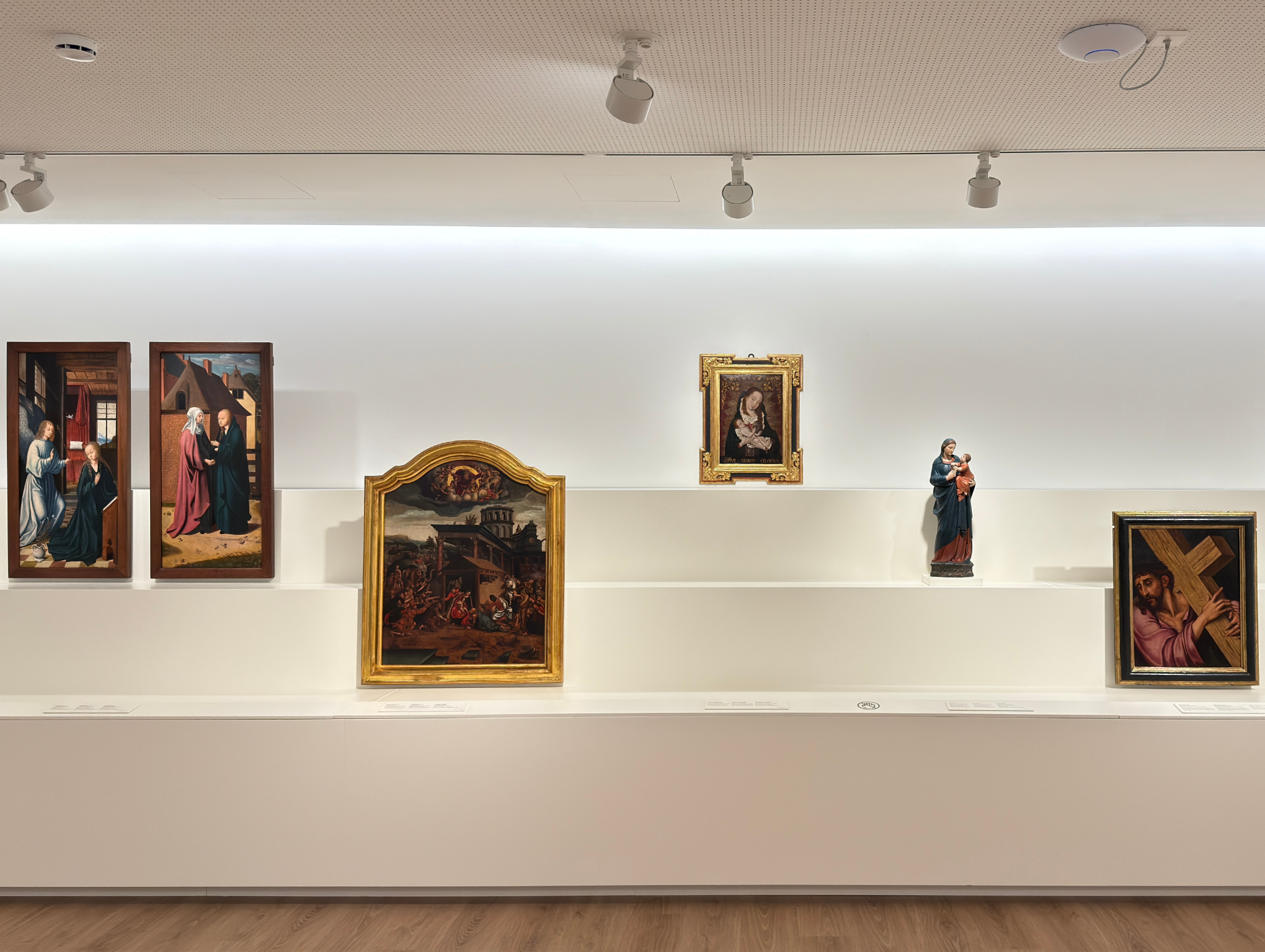
Room 3, dedicated to Renaissance art.
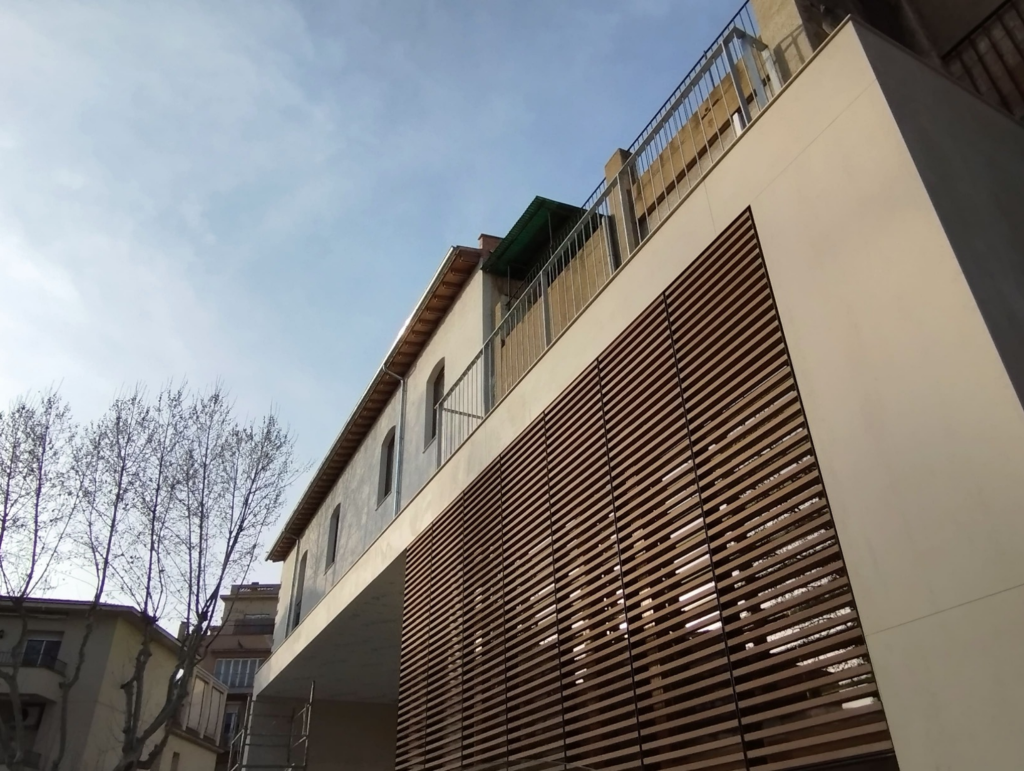
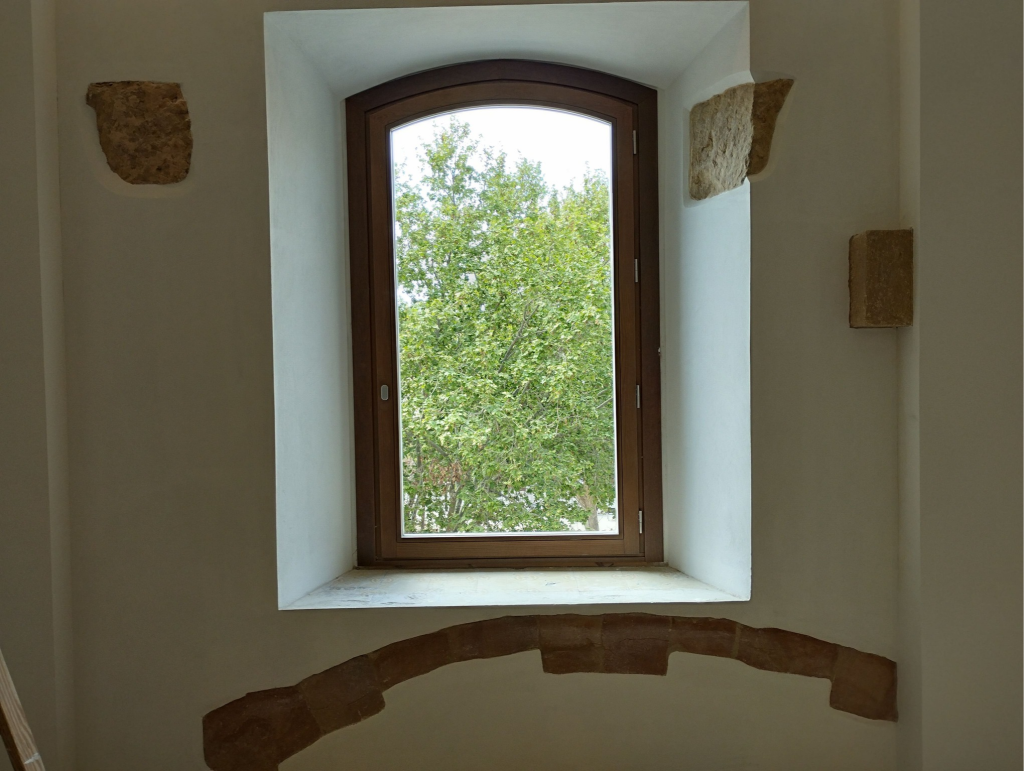
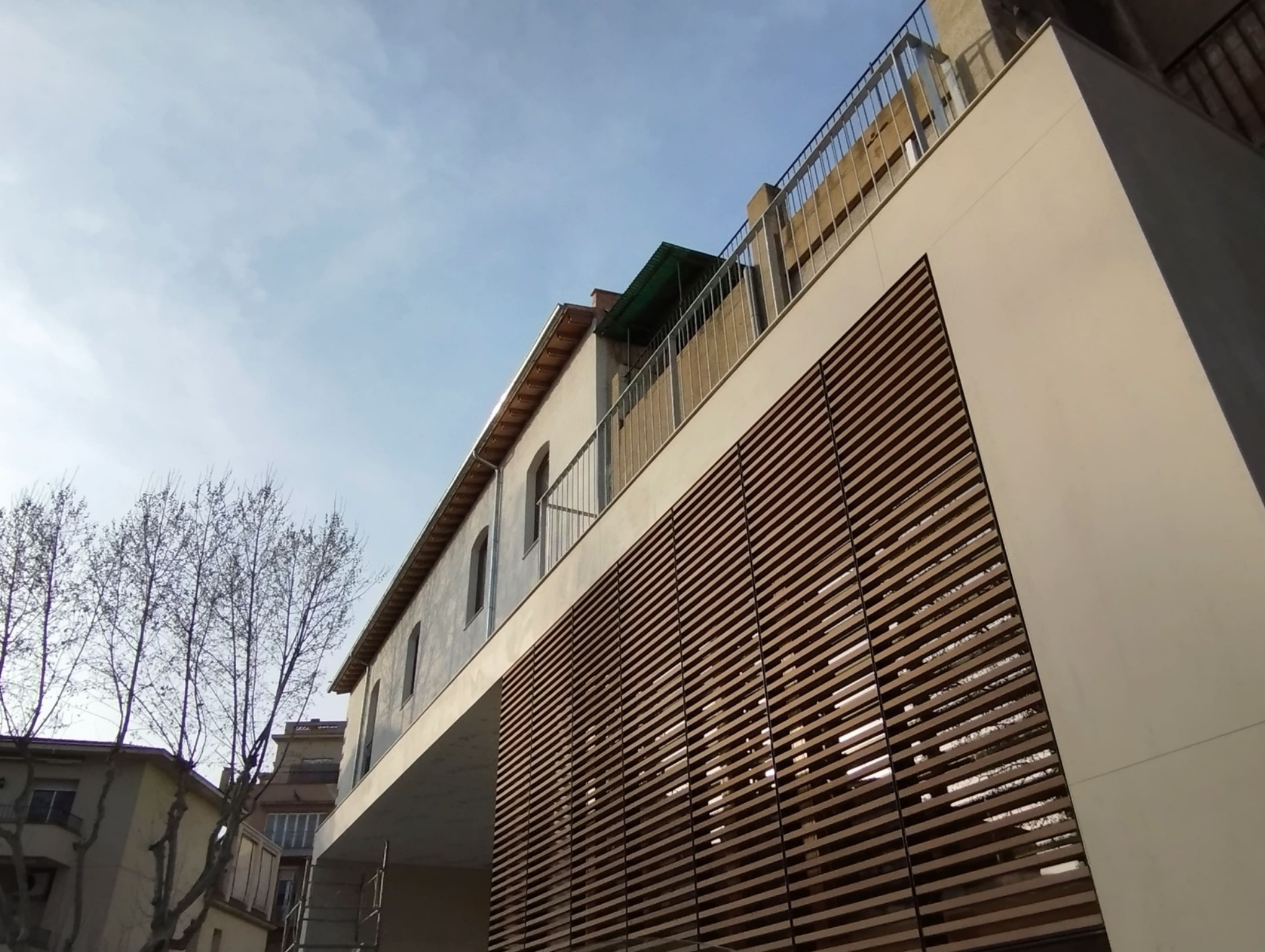
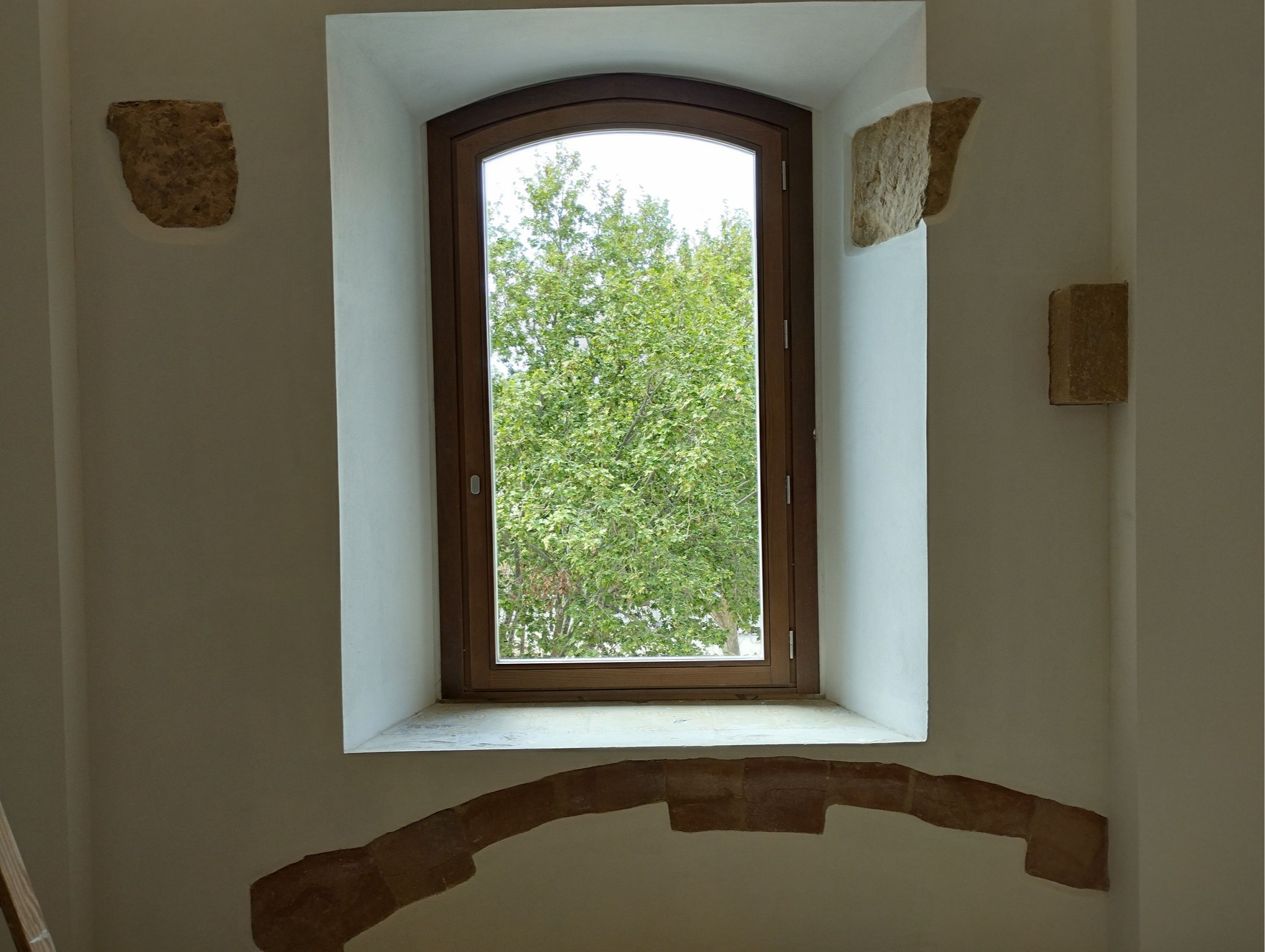
Modern window, located above the remains of an original window from the Requesens Palace.
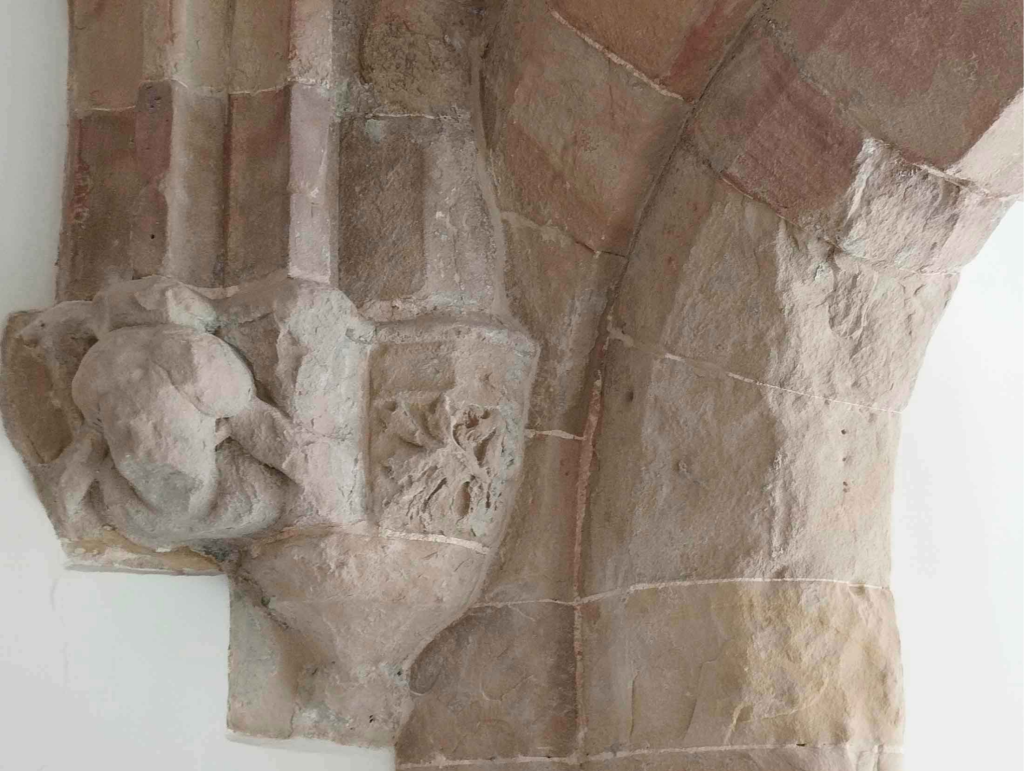
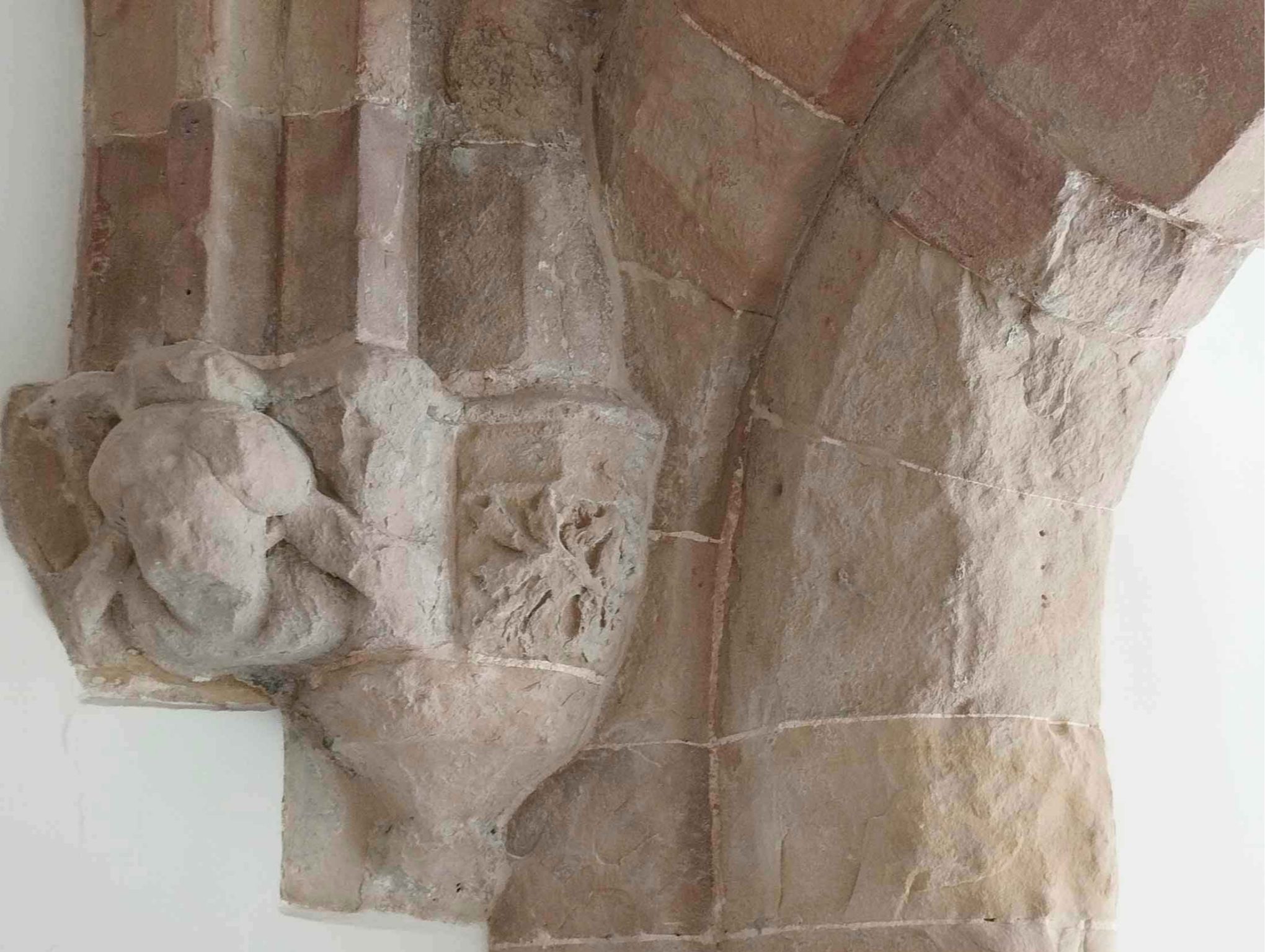
Corbel from the old Palace.
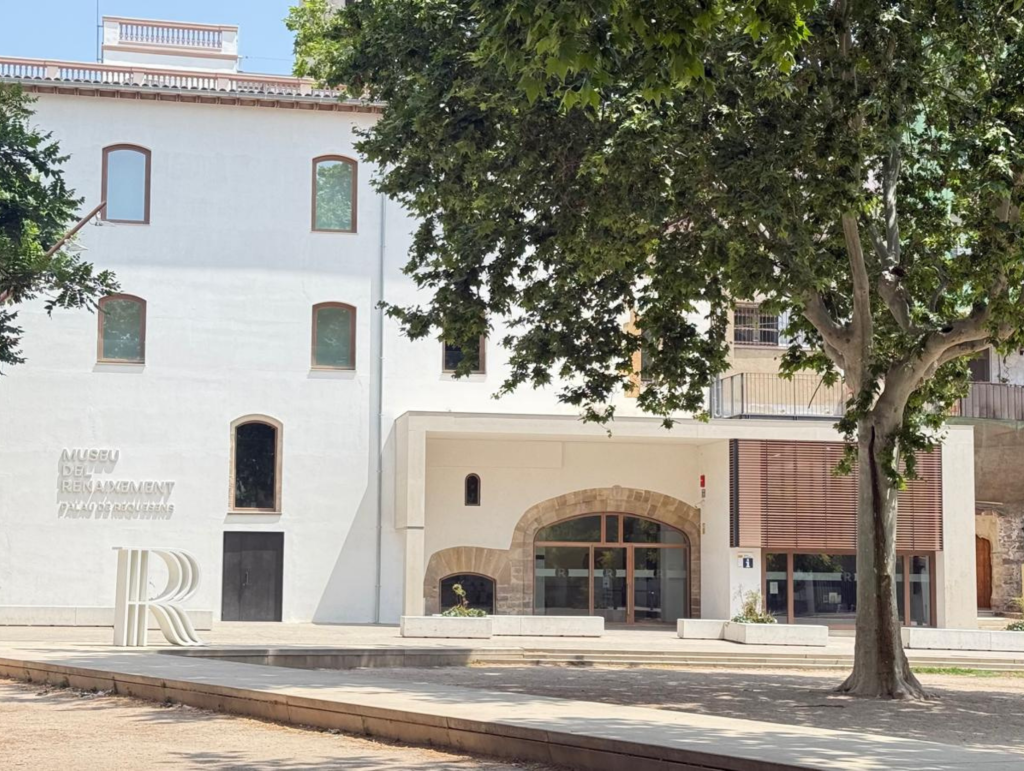
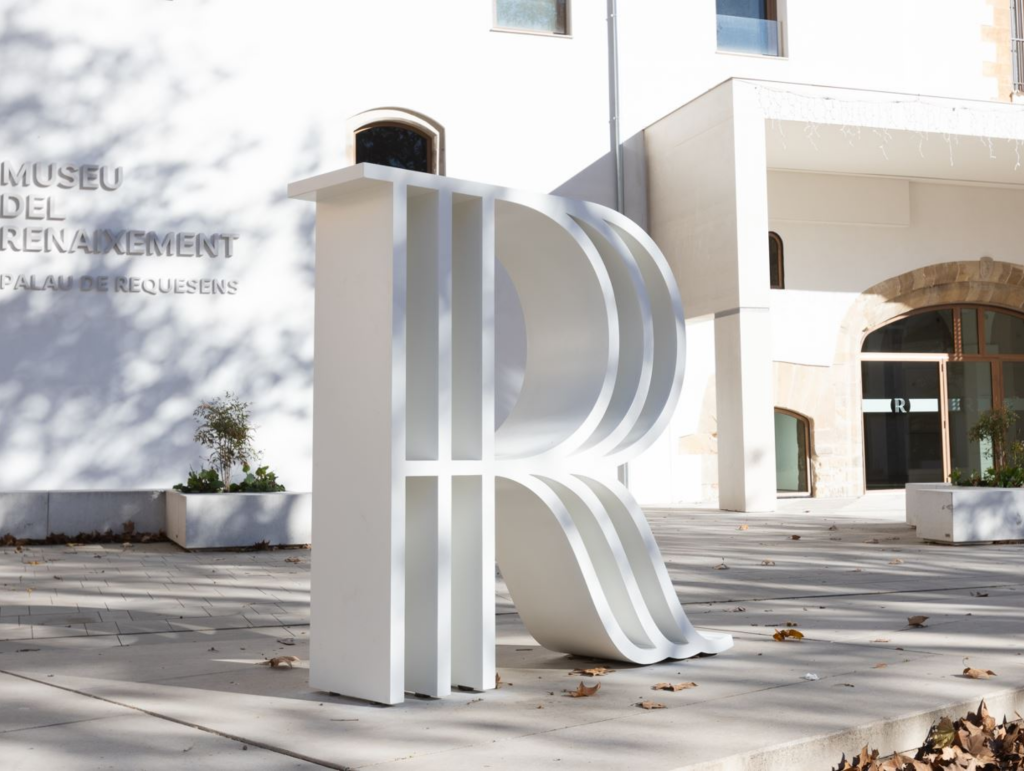
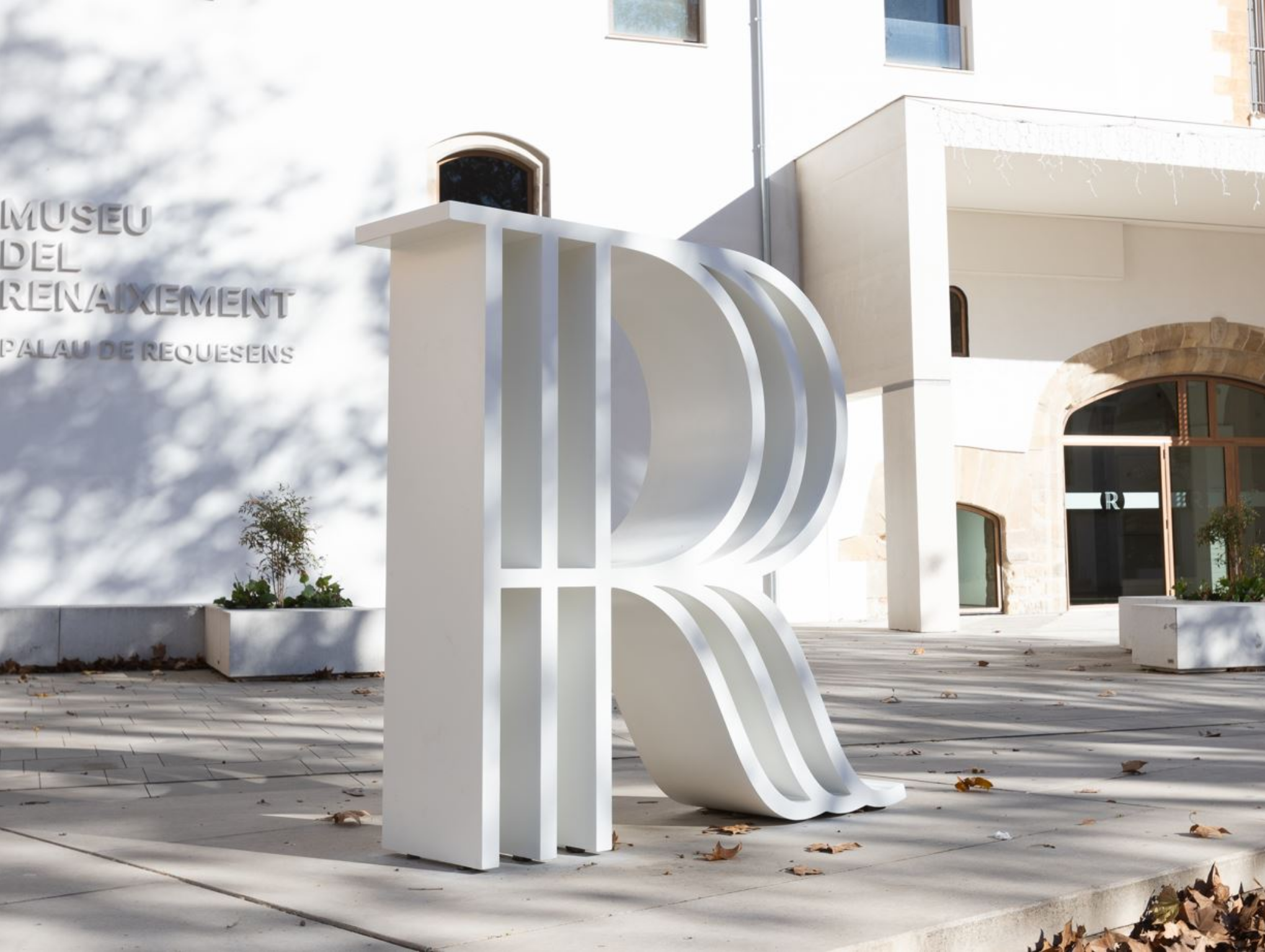
The 3 Rs: Renaissance, Requesens and Molins de Rei.
The Requesens
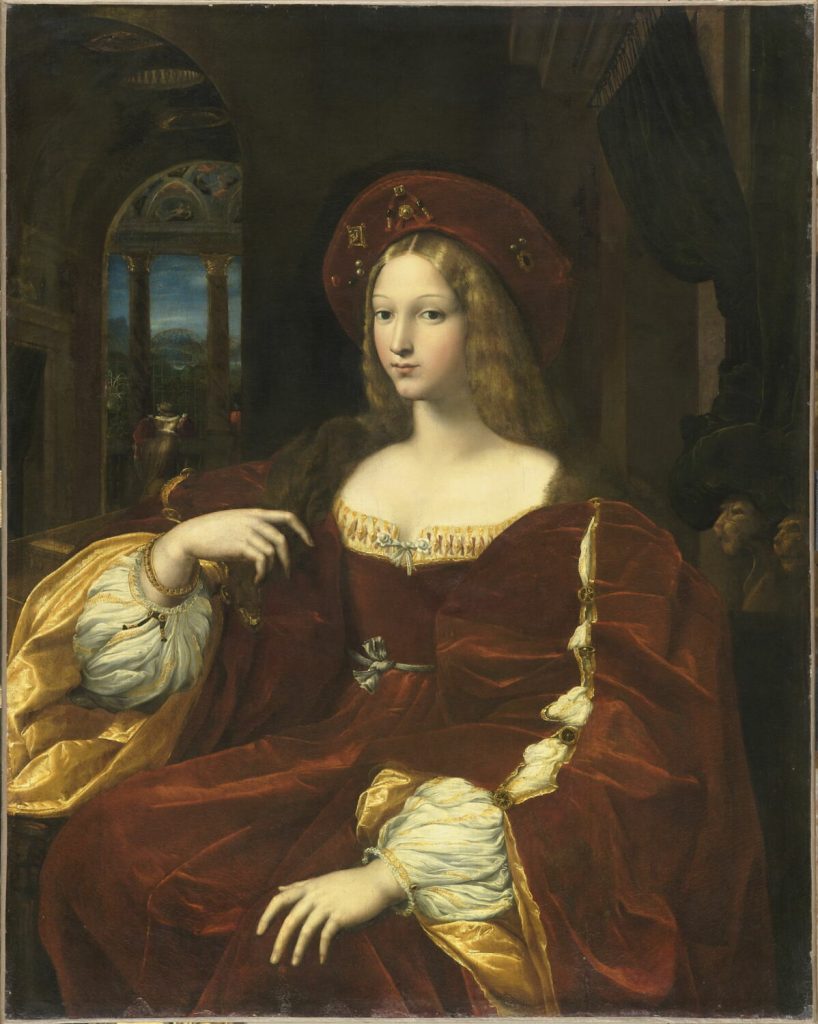
Rafael Sanzio, Portrait of Isabel de Requesens, Vicereine of Naples Musée du Louvre, Lens
A powerful Renaissance dynasty
The first documentary mention of the Requesens family dates from 1272 in Tarragona, and describes them as a family of merchants. From the 15th century onwards, they became nobles and gradually split into several branches. The Molins de Rei branch, which was descended from Galceran de Requesens and Santacoloma, boasted a number of important historical figures in the 16th century, such as Estefanía de Requesens and her son, Lluís de Requesens y Zúñiga, who was ambassador to Charles V in Rome, governor of the State of Milan and also governor of the Netherlands. One of the most important families in Catalonia during the Renaissance, they were associated with artists and intellectuals of the time, such as Miquel Mai, Isaac Hermes Vermey and the architect Antoni Carbonell.
Estefanía de Requesens' first cousin, Isabel de Requesens i Enríquez, married Ramon Folch de Cardona-Anglesola, became viceroy of Naples and was immortalised in this magnificent portrait by Raphael, which today forms part of the collection at the Louvre-Lens Museum in France.
Molins de Rei
A town with a lot of history
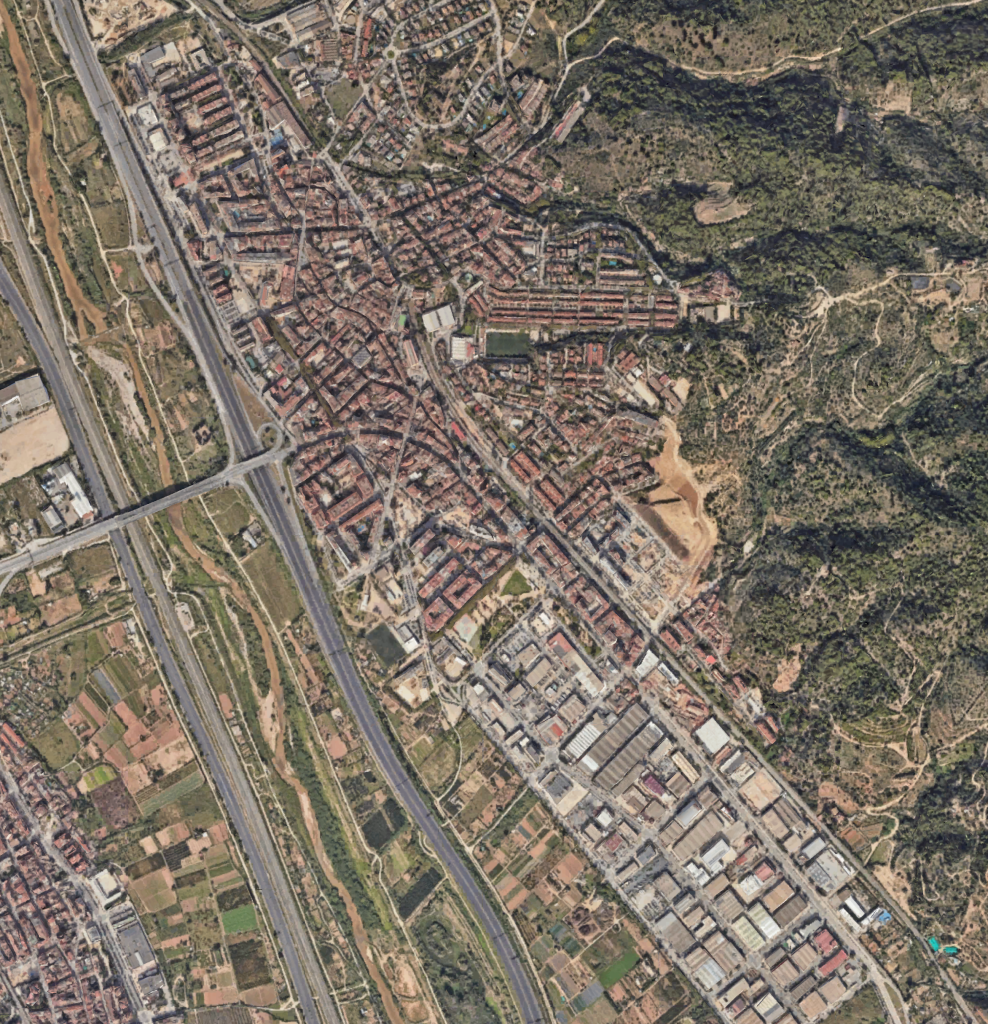
The oldest settlements in the Molins de Rei area date back to the Palaeolithic period, undoubtedly influenced by the privileged position in a natural passageway between the Llobregat river plain and the western foothills of the Collserola mountain range. But it was not until 1188 that the documented history of the present-day town began, with the construction of the first watermills that harnessed the power of the river. In the 15th and 16th centuries, with the Requesens, Molins de Rei began to take on greater importance. Its privileged location was later further enhanced by the building of the magnificent Charles III bridge with its fifteen arches between 1763-1767, the construction of the Infanta canal in 1819, and in 1854, the arrival of Spain's second railway line, linking Barcelona and Madrid.
If you would like to find out more about the town and its history, or discover its cultural heritage, we strongly recommend a visit to the Molins de Rei Municipal Museum in the Ca n'Ametller building.
Molins de Rei
Entrades recents
Comentaris recents
No s'han trobat comentaris.
Press Enter / Return to begin your search.
Have an Account?
To keep connected with us please login with your personal info.
We use cookies to improve your browsing experience, analyze web traffic, and personalize the content displayed. You can accept them all or configure them.
Functional
Always active
The storage or technical access is strictly necessary for the legitimate purpose of allowing the use of a certain service explicitly requested by the subscriber or user, or for the sole purpose of carrying out the transmission of a communication through an electronic communications network.
Preferences
Technical storage or access is necessary for the legitimate purpose of storing preferences that are not requested by the subscriber or user.
Statistics
Technical storage or access that is used exclusively for statistical purposes.Technical storage or access that is used exclusively for anonymous statistical purposes. Without a subpoena, voluntary compliance by your Internet service provider, or additional records from a third party, information stored or retrieved solely for this purpose cannot typically be used to identify you.
Màrqueting
L'emmagatzematge tècnic o l'accés són necessaris per crear perfils d'usuari per enviar publicitat o per fer un seguiment de l'usuari en un lloc web o en diversos llocs web amb finalitats de màrqueting similars.